
Quick Contact
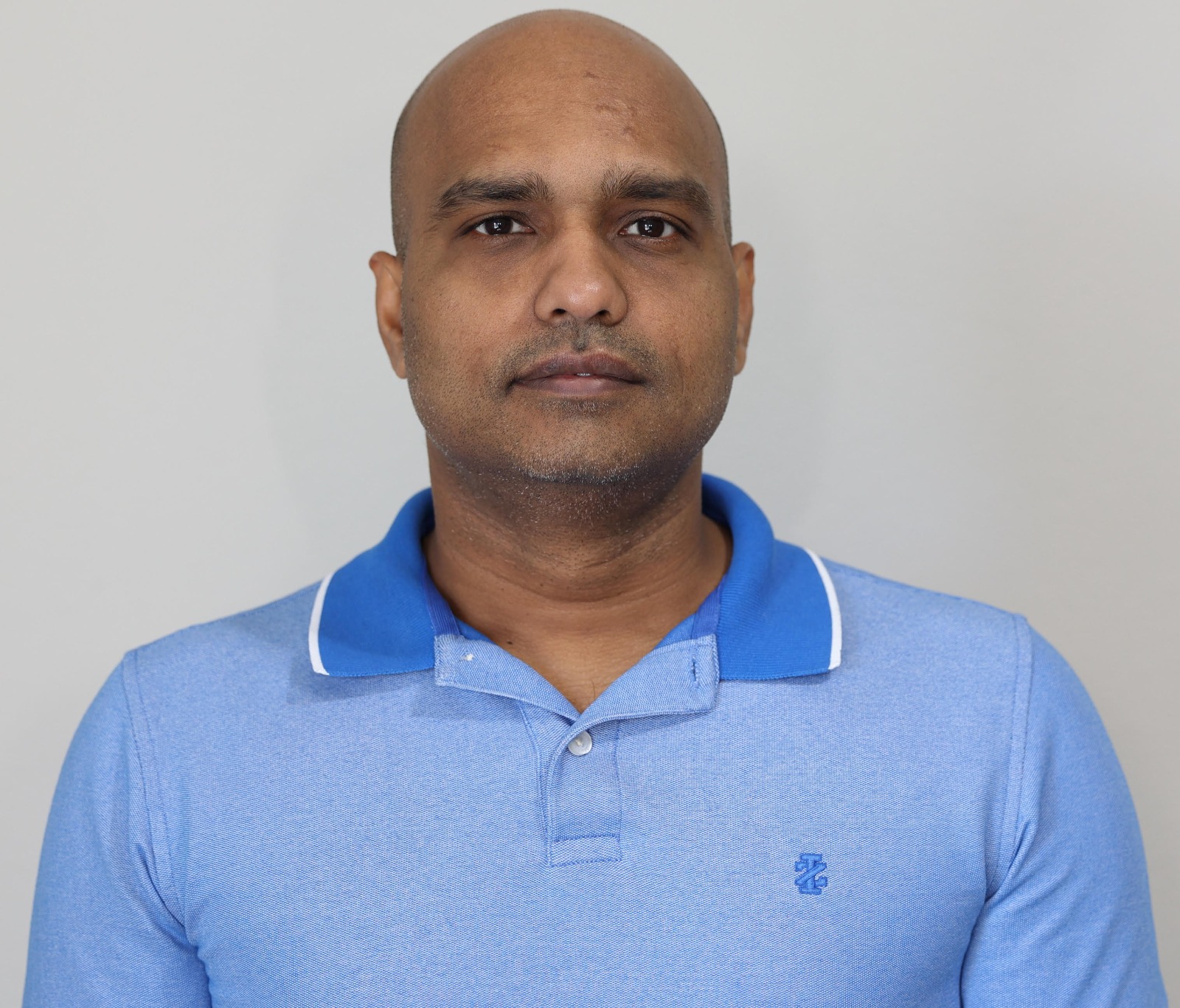
Dr. Sathesh Kumar Sivasankaran, PhD
Experience & Activities
Dr. Sathesh Kumar Sivasankaran is a bioinformaticist specializing in the development of advanced computational frameworks for the analysis and integration of large-scale multi-omics datasets. His research focuses on elucidating the molecular mechanisms underlying complex human diseases, with a particular emphasis on neurodegeneration, including Alzheimer’s disease and Parkinson’s disease.
Dr. Sivasankaran earned his PhD from Trinity College Dublin and has over a decade of experience in bioinformatics, statistical genomics, and high-throughput data analysis. His expertise spans transcriptomics, proteomics, DNA methylation, single-cell and spatial transcriptomics, and integrative multi-omics approaches. He has extensive experience working with diverse biological systems, including microbial, animal, and human datasets, demonstrating a broad and versatile scientific foundation.
During his postdoctoral training at University of Miami, Dr. Sivasankaran contributed to research involving transcriptomic and epigenomic profiling of brain tissues in Alzheimer’s and Parkinson’s disease, advancing understanding of disease-associated molecular alterations. He currently serves as a Bioinformaticist in the Department of Neurology at Washington University School of Medicine in St. Louis, where he develops scalable, reproducible pipelines for the analysis of genomic, transcriptomic, and proteomic datasets derived from large human cohorts.
His work supports the identification of disease-relevant biomarkers, gene networks, and molecular pathways, contributing to the advancement of precision medicine and translational research in neurodegenerative disorders. Dr. Sivasankaran is particularly interested in integrating multi-modal datasets to uncover biologically meaningful insights that can inform early diagnosis and therapeutic development.
Through his research, Dr. Sivasankaran contributes to advancing computational neurogenomics by enabling improved understanding, diagnosis, and therapeutic development for complex neurological diseases.